Introduction
A confident smile can change the way you feel about yourself. However, many people struggle with crooked teeth, bite issues, or misaligned jaws. Orthodontic treatment, especially braces, is one of the most effective solutions for correcting these problems.
One of the most common questions patients ask dentists is: What is the best age to get braces?
According to experienced dentists in Ranchi, braces can work at different ages, but some stages of life provide better and faster results. In this blog, we will explore the best age to get braces, why timing matters, and what Ranchi dentists recommend for children, teenagers, and adults.
What Are Braces and Why Are They Needed?
Braces are orthodontic devices used to correct misaligned teeth and jaws. They gradually move teeth into the correct position using gentle pressure over time.
Dentists usually recommend braces to treat issues such as:
Crooked or crowded teeth
Gaps between teeth
Overbite or underbite
Crossbite
Jaw alignment problems
Correcting these issues not only improves appearance but also enhances oral health, chewing ability, and speech.
The Best Age to Get Braces
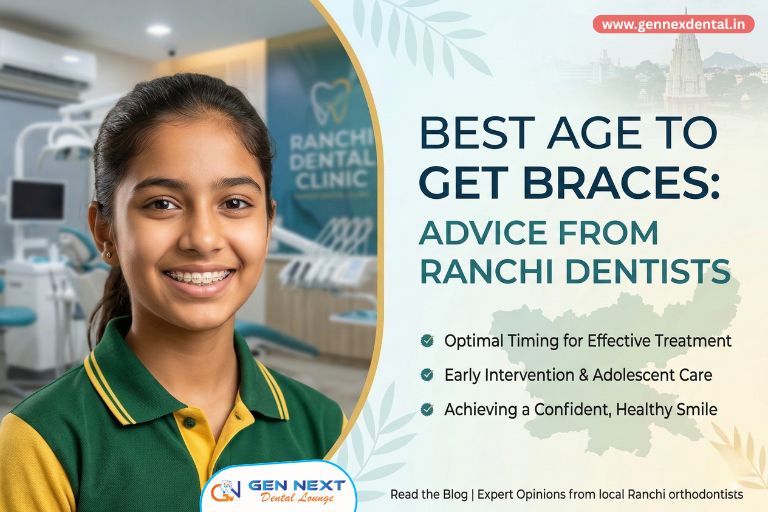
Many orthodontists agree that the best age to get braces is between 10 and 14 years. During this age, children still have developing jaws and most permanent teeth have already erupted.
Because the jaw is still growing, orthodontic treatments are often faster and more effective.
Why This Age Works Best
Dentists in Ranchi often recommend early teenage years for braces because:
Jawbones are still flexible
Teeth move more easily
Treatment duration is shorter
Orthodontic problems can be corrected early
However, this does not mean braces are only for teenagers.
Early Orthodontic Evaluation for Children
The Indian Orthodontic Society and many dentists recommend that children should have their first orthodontic evaluation by age 7.
At this stage, dentists can detect early signs of:
Jaw growth problems
Crowded teeth
Bite issues
Early evaluation does not always mean immediate braces. Instead, dentists monitor the child’s dental development and decide the right time for treatment.
Sometimes early treatment called Phase 1 Orthodontics may be recommended to guide jaw growth.
Braces for Teenagers
Teenagers are the most common age group for braces. In fact, most orthodontic treatments begin between 12 and 16 years.
Benefits of Braces During Teenage Years
Teenagers benefit from braces because:
Most permanent teeth have erupted
Jaw growth can still be guided
Treatment usually takes less time
Teenagers today also have access to several modern orthodontic options, including:
Metal braces
Ceramic braces
Self-ligating braces
Clear aligners
Many Ranchi dental clinics now offer less visible orthodontic solutions that are more comfortable for teens.
Can Adults Get Braces?
Yes, adults can absolutely get braces.
In fact, many adults in Ranchi are choosing orthodontic treatment to improve their smiles later in life.
Although the best age to get braces is during adolescence, adult orthodontics is becoming increasingly popular.
Why Adults Choose Braces
Adults often seek braces for reasons such as:
Improving smile appearance
Fixing long-standing bite problems
Preparing for dental implants or crowns
Enhancing oral health
Adult treatments may take slightly longer because jaw growth has already stopped. However, modern orthodontic technology has made treatment more comfortable and discreet.
Options like clear aligners and ceramic braces are especially popular among adults.
Signs That You May Need Braces
Whether you are a child, teenager, or adult, some signs indicate that you may need orthodontic treatment.
Common signs include:
Crowded or crooked teeth
Difficulty chewing or biting
Jaw pain or clicking sounds
Frequent biting of cheeks
Teeth that do not close properly
If you notice these issues, it is best to consult an experienced dentist or orthodontist in Ranchi.
How Long Do Braces Take to Work?
The duration of braces treatment varies from person to person. However, most treatments typically last 18 to 24 months.
Factors that influence treatment time include:
Severity of misalignment
Age of the patient
Type of braces used
Patient compliance with dental instructions
Regular dental visits and proper oral hygiene can help ensure faster and more effective results.
Tips for Taking Care of Braces
Proper care is essential for successful orthodontic treatment.
Here are some important tips recommended by Ranchi dentists:
Maintain Good Oral Hygiene
Brush your teeth at least twice a day and use floss or interdental brushes to clean around braces.
Avoid Sticky and Hard Foods
Foods like caramel, chewing gum, and hard candies can damage braces.
Attend Regular Dental Appointments
Regular orthodontic checkups help ensure that treatment progresses smoothly.
Wear Retainers After Treatment
After braces are removed, retainers help maintain the new position of your teeth.
Why Choose a Ranchi Dentist for Orthodontic Treatment?
Ranchi has several experienced dental professionals offering advanced orthodontic care. Many clinics now use modern diagnostic tools, digital scans, and customized treatment plans.
Choosing a trusted local dentist provides benefits such as:
Personalized treatment plans
Convenient follow-up visits
Access to modern orthodontic techniques
Affordable treatment options
Consulting an experienced dentist ensures that you receive the right treatment at the right time.
Final Thoughts
The best age to get braces is usually between 10 and 14 years, when the jaw is still developing and teeth can move more easily. However, orthodontic treatment is not limited to children or teenagers.
With modern dental technology, people of all ages can benefit from braces and achieve a healthy, confident smile.
If you or your child have concerns about crooked teeth or bite problems, it is a good idea to schedule a consultation with a qualified dentist in Ranchi. Early evaluation can help determine the right time for treatment and ensure the best results.
A beautiful smile is not just about appearance—it is also about confidence, health, and overall well-being.