Introduction
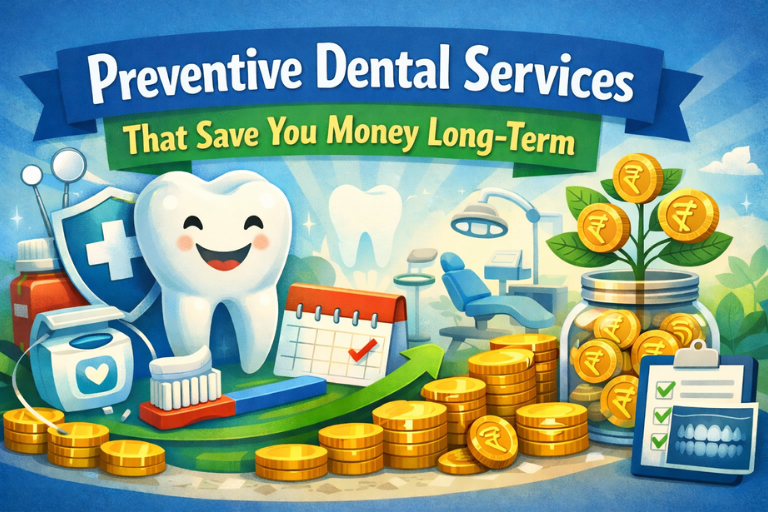
When it comes to dental care, many people only visit a dentist when they feel pain or notice a problem. However, this reactive approach often leads to expensive procedures that could have been avoided. Preventive dental services focus on stopping oral health issues before they become serious — ultimately saving you significant money over time.
By investing in regular dental visits and early treatments, you protect not only your smile but also your financial health. In this guide, we’ll explore the most important preventive services and explain why they are one of the smartest healthcare decisions you can make.
What Are Preventive Dental Services?
Preventive dental services include treatments and practices designed to maintain healthy teeth and gums while preventing decay, infections, and other complications.
Common preventive services include:
Routine dental exams
Professional cleanings
Fluoride treatments
Dental sealants
Oral cancer screenings
Digital X-rays
These services help dentists detect problems early when they are easier — and cheaper — to treat.
Why Prevention Costs Less Than Treatment
Many patients hesitate to schedule regular dental visits because they worry about the cost. However, skipping preventive care often leads to much higher expenses later.
For example:
| Condition | Preventive Cost | Treatment Cost |
|---|---|---|
| Small cavity | Filling: Rs.4000–30000 | Root canal + crown: Rs.4000–50000 |
| Gingivitis | Cleaning: Rs.1000–20000 | Periodontal therapy: Rs.5000+ |
| Minor enamel wear | Fluoride: ~Rs.2000–10000 | Veneers or crowns: Rs.40,000–300000 |
Clearly, prevention is not just healthier — it is financially smarter.
Top Preventive Dental Services That Protect Your Wallet
1. Regular Dental Checkups
Routine exams allow dentists to identify early signs of tooth decay, gum disease, and bite issues before they escalate.
Benefits include:
Early diagnosis
Less invasive treatments
Reduced risk of dental emergencies
Lower long-term costs
Experts recommend visiting your dentist every six months, although some patients may need more frequent monitoring.
2. Professional Teeth Cleanings
Even with excellent brushing and flossing habits, plaque and tartar accumulate in hard-to-reach areas.
Professional cleanings help:
Prevent cavities
Reduce gum disease risk
Eliminate stubborn plaque
Keep breath fresh
Skipping cleanings often results in periodontal disease — a leading cause of tooth loss and expensive restorative procedures.
3. Fluoride Treatments
Fluoride strengthens tooth enamel, making it more resistant to acid attacks from bacteria and sugary foods.
This quick, affordable treatment is especially valuable for:
Children
Adults prone to cavities
Patients with weakened enamel
Think of fluoride as a protective shield that reduces the likelihood of costly fillings and crowns.
4. Dental Sealants
Dental sealants are thin protective coatings applied to the chewing surfaces of molars. They block food particles and bacteria from settling into deep grooves.
Sealants can prevent nearly 80% of cavities in molars — making them one of the most cost-effective preventive treatments available.
Parents often choose sealants for children, but adults with cavity-prone teeth can benefit as well.
5. Digital X-Rays
Dental problems are not always visible during a physical exam. Digital X-rays allow dentists to detect hidden issues such as:
Impacted teeth
Bone loss
Deep decay
Infections
Early detection prevents minor concerns from turning into major procedures.
Additionally, modern digital X-rays use significantly less radiation than traditional methods, making them both safe and efficient.
6. Gum Disease Prevention
Gum disease often develops silently, with symptoms appearing only in advanced stages. Preventive periodontal care includes regular cleanings and early intervention when inflammation appears.
By treating gingivitis early, you can avoid:
Tooth loss
Bone deterioration
Painful surgeries
High treatment costs
Healthy gums are the foundation of a healthy smile.
The Hidden Financial Benefits of Preventive Care
Preventive dental services do more than reduce dental bills — they create broader financial advantages.
Fewer Dental Emergencies
Emergency treatments are typically more expensive and may not always be fully covered by insurance. Prevention dramatically lowers your risk.
Better Insurance Utilization
Most dental insurance plans fully cover preventive services. Taking advantage of these benefits ensures you get maximum value from your policy.
Less Time Off Work
Major dental procedures often require recovery time. Preventive care minimizes disruptions to your professional and personal life.
How Often Should You Schedule Preventive Visits?
While twice-yearly visits work well for many patients, your dentist may recommend a personalized schedule based on your risk factors, such as:
Smoking
Diabetes
Previous gum disease
Frequent cavities
Orthodontic appliances
Following a customized prevention plan ensures optimal oral health and long-term savings.
Simple Habits That Enhance Preventive Dental Services
Professional care is essential, but your daily habits matter just as much.
To maximize the benefits of preventive dentistry:
✅ Brush twice daily with fluoride toothpaste
✅ Floss every day
✅ Limit sugary snacks and beverages
✅ Drink plenty of water
✅ Avoid tobacco products
✅ Replace your toothbrush every 3–4 months
These small actions significantly reduce your chances of needing costly treatments.
Prevention Is an Investment — Not an Expense
It is easy to view dental visits as another bill. However, preventive dental services are truly an investment in your future health and financial stability.
Spending a little today can save you thousands tomorrow.
More importantly, prevention helps you maintain:
A confident smile
Comfortable chewing
Clear speech
Strong overall health
Remember — oral health is closely connected to heart health, diabetes management, and systemic wellness.
Final Thoughts
Ignoring dental care rarely saves money. In fact, it usually creates larger problems that demand expensive solutions.
By prioritizing preventive dental services, you take control of your oral health, reduce long-term costs, and avoid unnecessary discomfort.
The best time to prevent a dental problem is before it starts.
So don’t wait for pain to schedule an appointment — proactive care today leads to a healthier smile and a healthier bank account tomorrow.